

April 8, 2026
After 40 days of looking at the sky every time a loud noise echoed off the Burj Khalifa, we finally have a moment of silence.
Early this morning, the news broke that the U.S. and Iran have signed onto a two-week ceasefire. For those of us living in the UAE, this isn’t just a political headline—it’s a survival line. Since “Operation Epic Fury” kicked off back in February, the region has been a pressure cooker. We’ve seen drone debris over the Corniche and the smoke rising from Jebel Ali. The “Islamabad Accord,” brokered by Pakistan, is the first real sign that someone is finally pulling back from the edge.+2
The Terms of the Pause
The deal is simple but incredibly fragile:
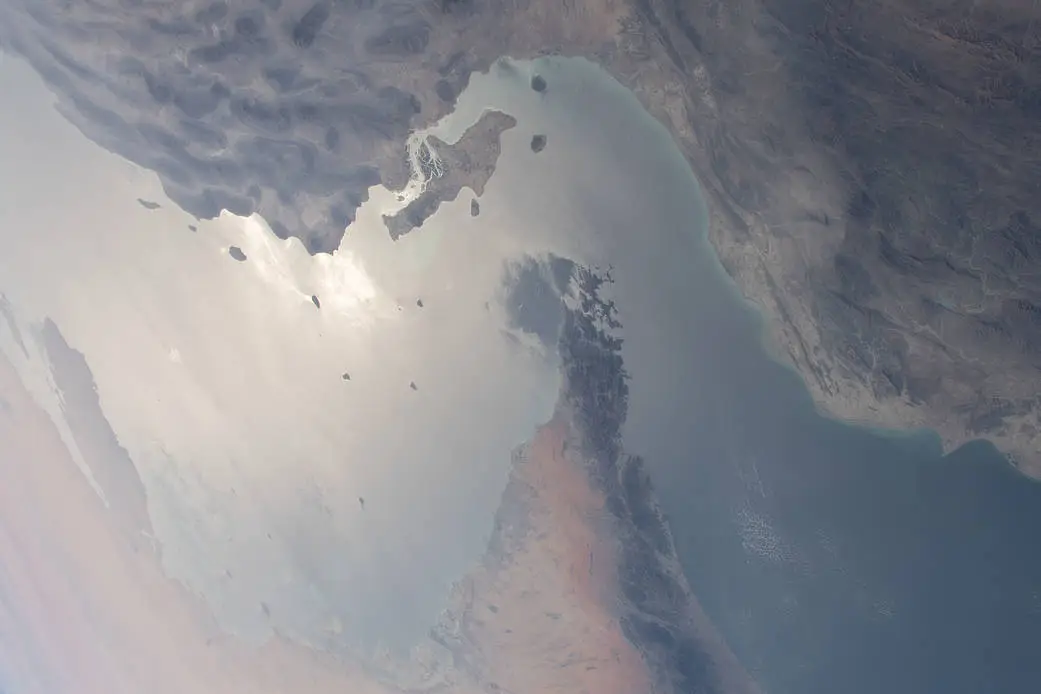
- The Strait of Hormuz Reopens: This is the big one. Iran has agreed to stop the blockade. If the oil starts flowing again, maybe we can stop watching the global economy bleed out.
- Ceasefire on Iranian Infrastructure: The U.S. has hit the “pause” button on targeting power plants and bridges in Tehran—a move that felt like it was leading toward total regional collapse.
- The Friday Meeting: Diplomats are heading to Pakistan this Friday to see if this two-week “grace period” can be turned into a permanent armistice.
The Reality Check
Is it actually over? Honestly, it’s hard to tell. While things are quiet here in Dubai, Beirut is still under fire. Israel has made it clear that this truce with Iran doesn’t apply to their operations against Hezbollah in Lebanon. Even as the ink was drying on the accord, there were reports of explosions on Iranian islands and strikes in central Beirut.+2
It feels less like “peace” and more like a “refueling stop.”
Why This Matters for Us
For the first time in weeks, oil prices actually took a dive toward $95. The markets are rallying, and there’s a sense that we might be able to breathe for a second. But with the U.S. federal debt hitting $40 trillion and the cost of this war climbing to $1 billion a day, the world can’t afford for this ceasefire to fail.
We’re all waiting to see what happens on Friday. Until then, the Strait is open, the drones are grounded (mostly), and we’re left wondering if two weeks is enough time to fix a century of tension.